New floors look great on install day. Whether they still look great in five years comes down to a handful of simple habits - especially in a climate with sand, humidity, and salt air working against you every day. Here's the maintenance routine we hand every client.
LVP Maintenance
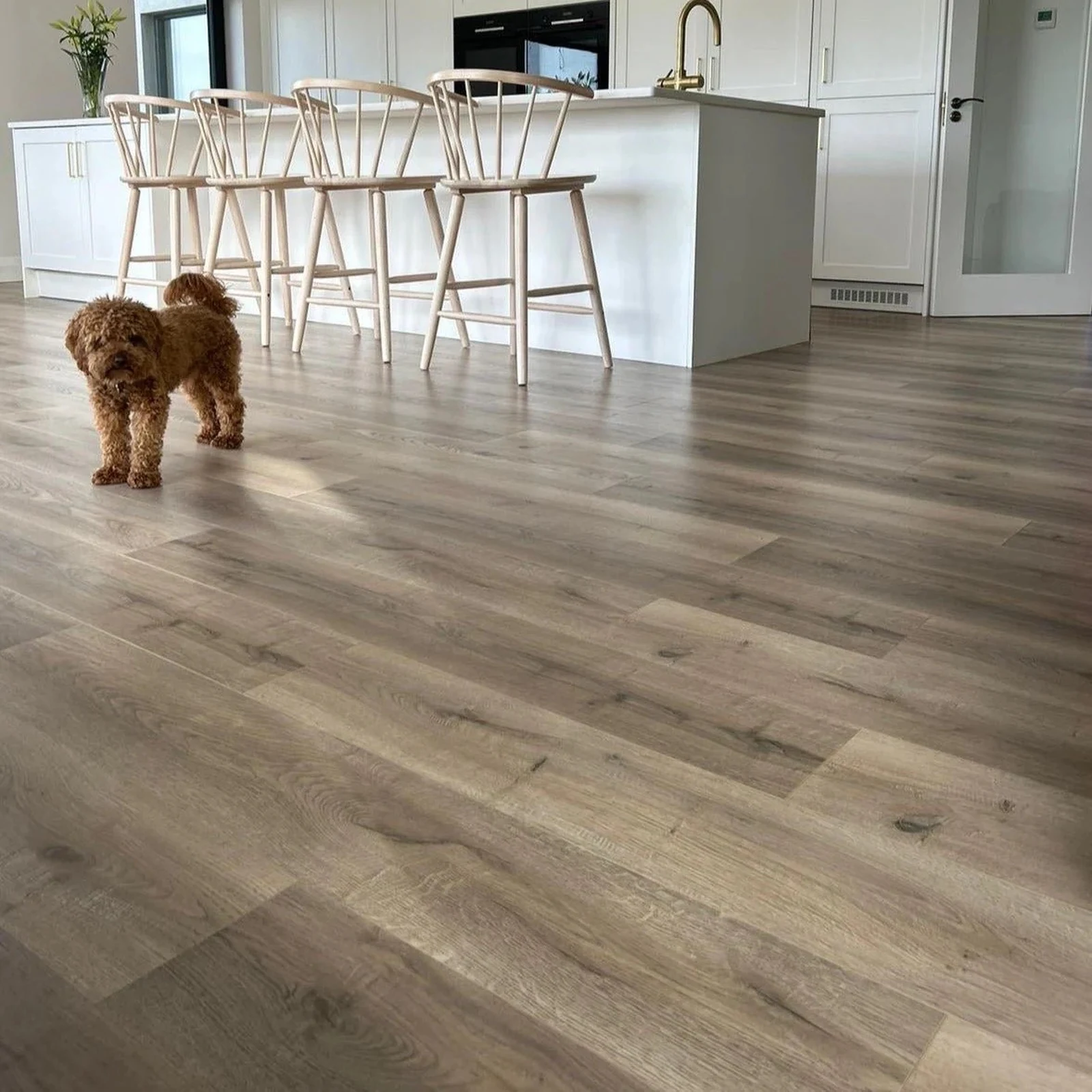
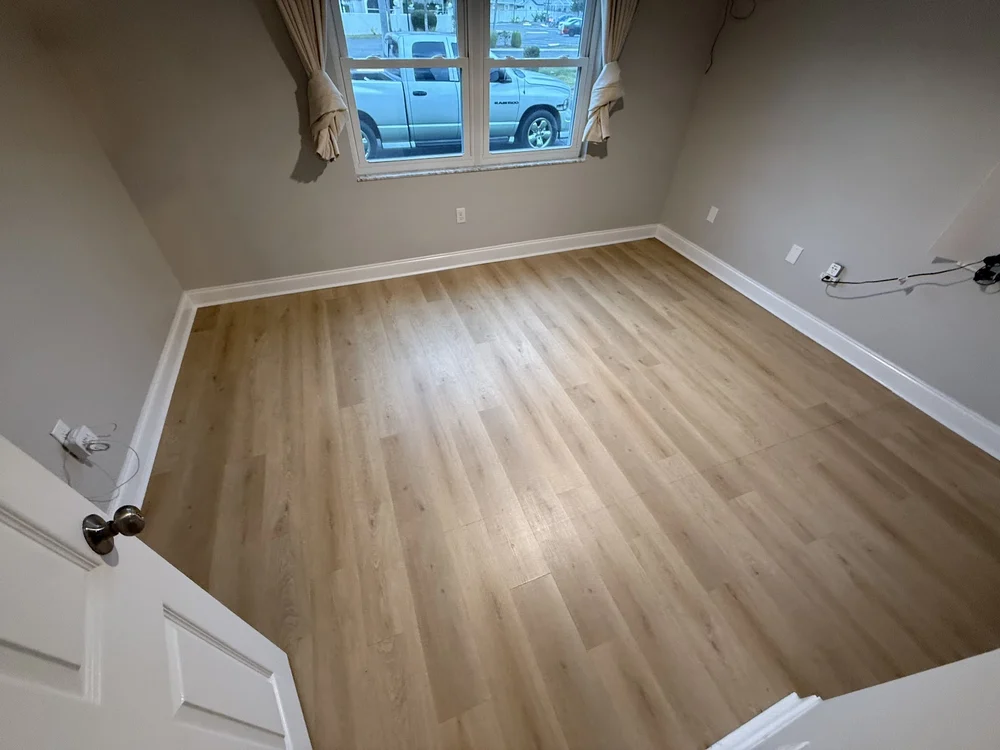
LVP is genuinely low-maintenance - sweep or vacuum regularly to clear sand and grit, then damp mop with a pH-neutral cleaner as needed. Skip anything with wax or oil-based soap, which can leave a dull film over time.
Tile Maintenance
Tile holds up to almost anything, but grout lines need attention. Sweep and damp mop regularly, and reseal grout every 1-2 years - more often for natural stone tile, which is more porous than porcelain and benefits from sealing on a tighter schedule in our humid air.
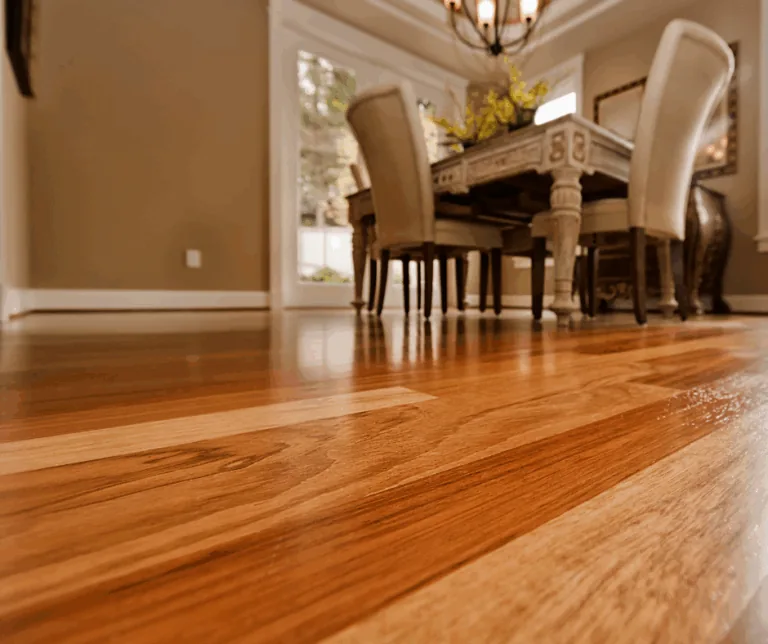
Hardwood Maintenance
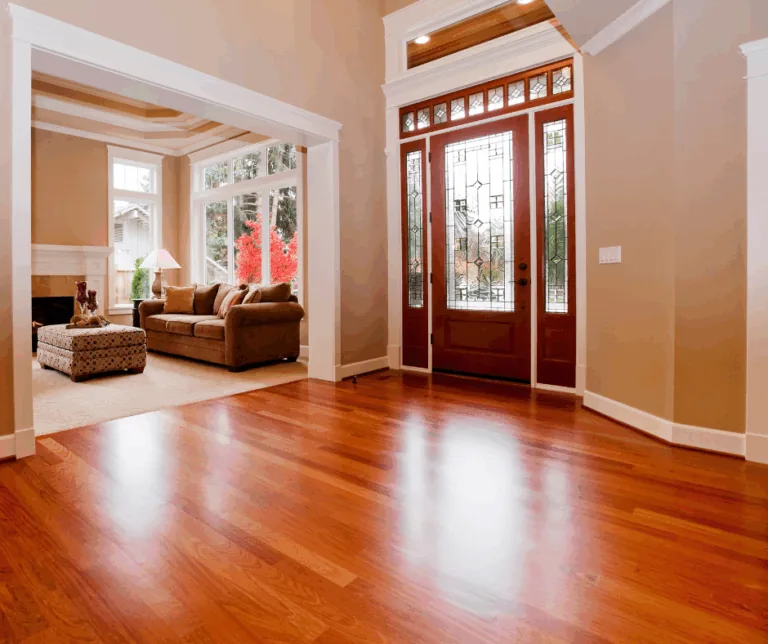
Both engineered and solid hardwood do best with a dry or barely-damp mop - never a wet mop or steam cleaner, which can damage the finish and, over time, the wood itself. Keeping your AC running consistently (rather than letting the house sit hot and humid while you're away) goes a long way toward keeping planks stable.
The One Habit That Helps Every Floor Type
Living near the beach means sand and grit come home with you. A simple mat at every entry point, paired with regular sweeping, cuts down on the scratching and dulling we see most often on floors just a few years old in coastal Pinellas County homes.
Have a floor that needs attention?
Ask about a free in-home evaluationFrequently Asked Questions
Can I use a steam mop on my new floors?
Avoid steam mops on hardwood and laminate - the heat and moisture can damage the finish. A damp microfiber mop is safe on LVP and tile.
How often should grout be resealed?
Every 1-2 years for porcelain, and closer to annually for natural stone in our humid, salt-air climate.
Every install we complete comes with a 5-year workmanship warranty and simple care guidance specific to your material - see our reviews to hear how that's worked out for other Tampa Bay homeowners.